What Is Silicone?
Silicone is a synthetic material made primarily from silicon, oxygen, carbon, and hydrogen. While it is often grouped together with plastics in everyday conversation, silicone is chemically distinct from most conventional petroleum-based plastics.
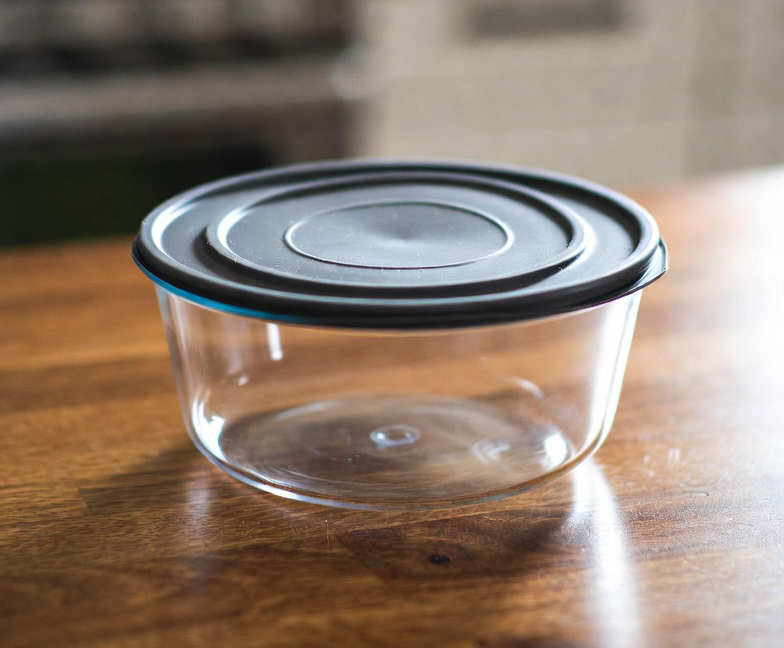
Silicone has a flexible, rubber-like texture and is commonly used in kitchen tools, baking mats, spatulas, and sealing components such as container lids. It is valued for its flexibility, durability, and resistance to temperature changes.
Because silicone is stable across a wide temperature range, it is frequently marketed as a safer alternative to plastic in food-related applications.
How Silicone Differs from Conventional Plastic
Traditional plastics are typically made from long chains of carbon-based polymers derived from fossil fuels. Many of them rely on chemical additives to achieve flexibility, transparency, or heat resistance.
Silicone, in contrast, has a backbone made primarily of silicon and oxygen atoms. This structural difference contributes to its greater temperature stability and resistance to breakdown under moderate heat.
Unlike many plastics, silicone does not easily melt in standard kitchen conditions. It also tends to be more chemically stable when exposed to air, light, and moisture.
However, silicone is still a synthetic material. While it behaves differently from conventional plastic, it is not the same as inert materials such as glass or stainless steel.
What Happens to Silicone When Heated?
High quality food-grade silicone is generally designed to withstand both cold and high heat environments. It is commonly rated for use in ovens, freezers, and dishwashers.
Under normal cooking temperatures, silicone typically maintains its structure without visibly degrading. However, as with most materials, extreme heat beyond recommended limits can cause breakdown over time.
Lower quality silicone products may contain fillers or additives that affect durability and heat performance. For this reason, product quality and certification can matter.
While silicone is considered more heat stable than many plastics, it is not completely inert. Long term data on migration under repeated heating conditions is more limited compared to materials such as glass or stainless steel.
Common Concerns About Silicone Lids
Some concerns about silicone lids focus on potential chemical migration during heating. Others relate to the presence of fillers used in lower quality products to reduce manufacturing costs.
Food-grade silicone is generally regulated to meet specific safety standards. However, not all products marketed as silicone are equal in composition or quality.
Another consideration is durability. Over time, silicone can become sticky, discolored, or lose elasticity if exposed to high heat repeatedly.
In most cases, silicone lids do not come into direct contact with food during storage in the same way that containers do. This distinction can influence how much weight is placed on potential exposure concerns.
When Silicone Lids Make Practical Sense
Silicone lids can be practical in certain situations. They provide flexible, reusable sealing solutions for glass or metal containers and can reduce reliance on single-use plastic wrap.
When used primarily for cold storage or room temperature sealing, exposure concerns are typically lower than in high heat applications.
For individuals transitioning away from plastic containers, silicone components may serve as a practical intermediate step, particularly when paired with glass or stainless steel bases. A broader comparison of glass and stainless steel storage options can help clarify when fully rigid materials may be preferable.
Choosing high quality, food-grade silicone products from reputable manufacturers may reduce concerns related to fillers or inconsistent manufacturing standards.
A Balanced Conclusion
Silicone lids occupy a middle ground between conventional plastic and fully inert materials like glass or stainless steel.
They are generally more temperature stable than many plastics and can offer practical benefits for reusable food storage. At the same time, they are not completely inert and are still synthetic materials.
For those seeking to reduce plastic contact, silicone lids can be a reasonable option, particularly for cold storage and flexible sealing. However, where direct heat exposure is frequent, materials such as glass and stainless steel remain more structurally stable choices. For readers evaluating microwave use specifically, our guide on microwaving plastic containers explains how heat influences material behavior.
As with most material decisions, the goal is informed selection based on use case rather than absolute categorization as safe or unsafe.
Leave a Reply