Microplastics are now found in drinking water, food, household dust, and even the air we breathe. While complete avoidance is nearly impossible, reducing everyday exposure is both realistic and practical.
Most plastic exposure does not come from obvious sources. It often comes from food storage, synthetic fabrics, non-stick cookware, and packaging materials used daily without much thought.
This guide explains where microplastics are most likely to enter your home environment and outlines practical, science-informed steps to reduce your exposure without turning your life upside down.
What Are Microplastics and Why Should You Care?
Microplastics are small plastic particles typically defined as pieces smaller than five millimeters. They are created either intentionally, such as microbeads used in certain products in the past, or unintentionally through the breakdown of larger plastic items over time.
As plastic products age, wash, heat up, or experience friction, they shed microscopic fragments. Synthetic clothing releases microfibers during laundry cycles. Plastic containers can release particles when exposed to heat. Even everyday household dust often contains plastic fibers from textiles and furnishings.
Research has detected microplastics in drinking water, seafood, table salt, and indoor air. Scientists are still studying the long term health implications. While definitive conclusions are ongoing, reducing unnecessary exposure is a precautionary and practical approach.
The objective is not to eliminate plastic completely. That is unrealistic in modern life. The goal is to understand where exposure happens most often and reduce it in practical, manageable ways.
How Microplastics Enter the Home Environment
Microplastics enter the home in more ways than most people realize. They are not limited to visible plastic packaging or disposable products.
One common pathway is food contact. Plastic containers, wraps, and non stick surfaces can release particles when exposed to heat, friction, or repeated use. Over time, microscopic fragments may migrate into food and beverages.
Another significant source is synthetic textiles. Clothing made from polyester, nylon, and acrylic sheds microfibers during wear and especially during washing. These fibers can accumulate in household dust and enter waterways through wastewater systems.
Indoor air also plays a role. Upholstered furniture, synthetic carpets, and household fabrics continuously shed fibers that become part of the dust we breathe and ingest.
Understanding these pathways helps identify where small adjustments can make a measurable difference.
The Highest-Risk Areas in Everyday Life
Not all exposure sources carry the same weight. Some areas of daily life contribute more consistently than others.
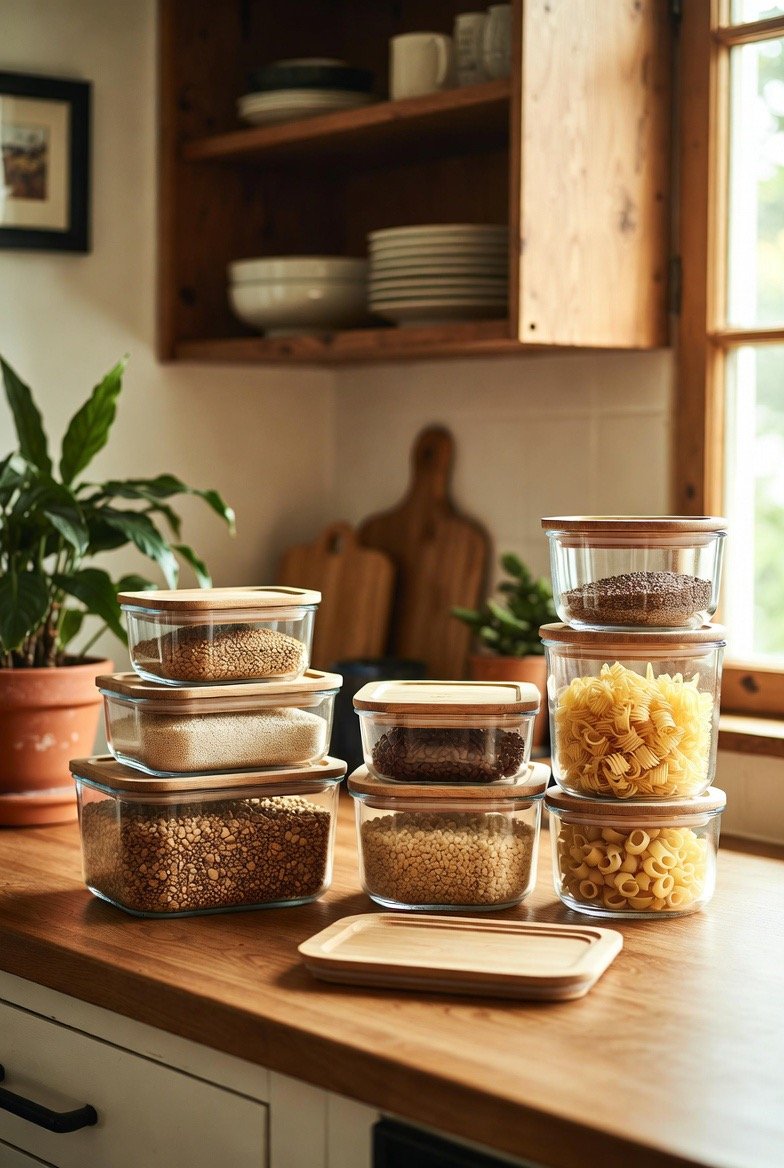
Food preparation and storage are among the most significant. Heating food in plastic containers, using plastic utensils on hot surfaces, and storing leftovers in plastic packaging can all increase the likelihood of particle release. Choosing safe food storage materials is one of the most impactful changes, especially when replacing frequently heated containers.
Drinking water is another important factor. Bottled water has been shown in multiple studies to contain measurable levels of microplastic particles. Even tap water can contain varying levels depending on filtration systems and local infrastructure. Different filtration systems vary significantly in their ability to reduce fine particles.
Laundry and synthetic clothing also contribute substantially. Every wash cycle can release thousands of microfibers into wastewater. These fibers can reenter the environment and accumulate in indoor dust. Some laundry filter systems are specifically designed to capture synthetic microfibers before they enter wastewater.
Focusing on these high impact areas allows for targeted improvements rather than unnecessary changes everywhere at once.
Practical Ways to Reduce Microplastic Exposure
Reducing exposure does not require eliminating plastic entirely. It starts with prioritizing the areas that matter most.
In the kitchen, consider replacing plastic food storage containers with glass or stainless steel alternatives, especially for hot foods. Avoid microwaving food in plastic and limit the use of plastic wrap when direct contact with food can be avoided.
For drinking water, switching from bottled water to filtered tap water can reduce both plastic waste and potential particle intake. The effectiveness of filtration depends on the system used, so choosing high quality filters designed to reduce fine particles is important.
In the bathroom, look for products packaged in glass, metal, or paper where possible. Solid shampoo bars and refill systems can significantly reduce plastic packaging over time.
When it comes to clothing, prioritizing natural fibers such as cotton, linen, and wool can reduce microfiber shedding. Washing synthetic garments less frequently and using laundry filters designed to capture fibers can also help limit environmental release.
Small, consistent changes in these high impact areas tend to be more effective than attempting a complete overhaul all at once.
What Actually Makes a Product “Low Plastic”?
Not every product labeled eco friendly or sustainable meaningfully reduces plastic exposure. Marketing language often focuses on recyclability rather than actual material composition.
A genuinely low plastic product typically minimizes direct plastic contact with food, water, or skin. Materials such as glass, stainless steel, untreated wood, natural fibers, and certain ceramics generally reduce the likelihood of plastic particle shedding during normal use.
However, hidden plastic components are common. Silicone seals, synthetic coatings, plastic liners, and blended fabrics can still introduce exposure even in products marketed as natural.
When evaluating alternatives, it is helpful to consider three questions:
Does the product come into direct contact with heat, food, or water?
Is plastic used in structural parts or only in minor components?
Is the material durable enough to avoid breakdown over time?
Focusing on these factors encourages informed decisions rather than relying solely on labels.
Final Thoughts: Focus on Reduction, Not Perfection
Completely eliminating microplastic exposure is not realistic in modern life. Plastic is deeply integrated into packaging, infrastructure, and everyday products.
However, meaningful reduction is achievable. By focusing on high impact areas such as food contact, drinking water, and synthetic textiles, it is possible to lower overall exposure without unnecessary stress or extreme lifestyle changes.
The most effective approach is gradual improvement. Replace items as they wear out. Choose durable materials. Prioritize the changes that offer the greatest benefit first.
Reducing microplastic exposure is not about perfection. It is about informed choices and steady progress over time.
Leave a Reply to Glass vs Stainless Steel Food Storage: Which Is Safer and More Practical? – lowplasticlife.com Cancel reply